

$69.10
See if it's really the one
Search with this product to compare it, find similar styles, or turn up something better before deciding.
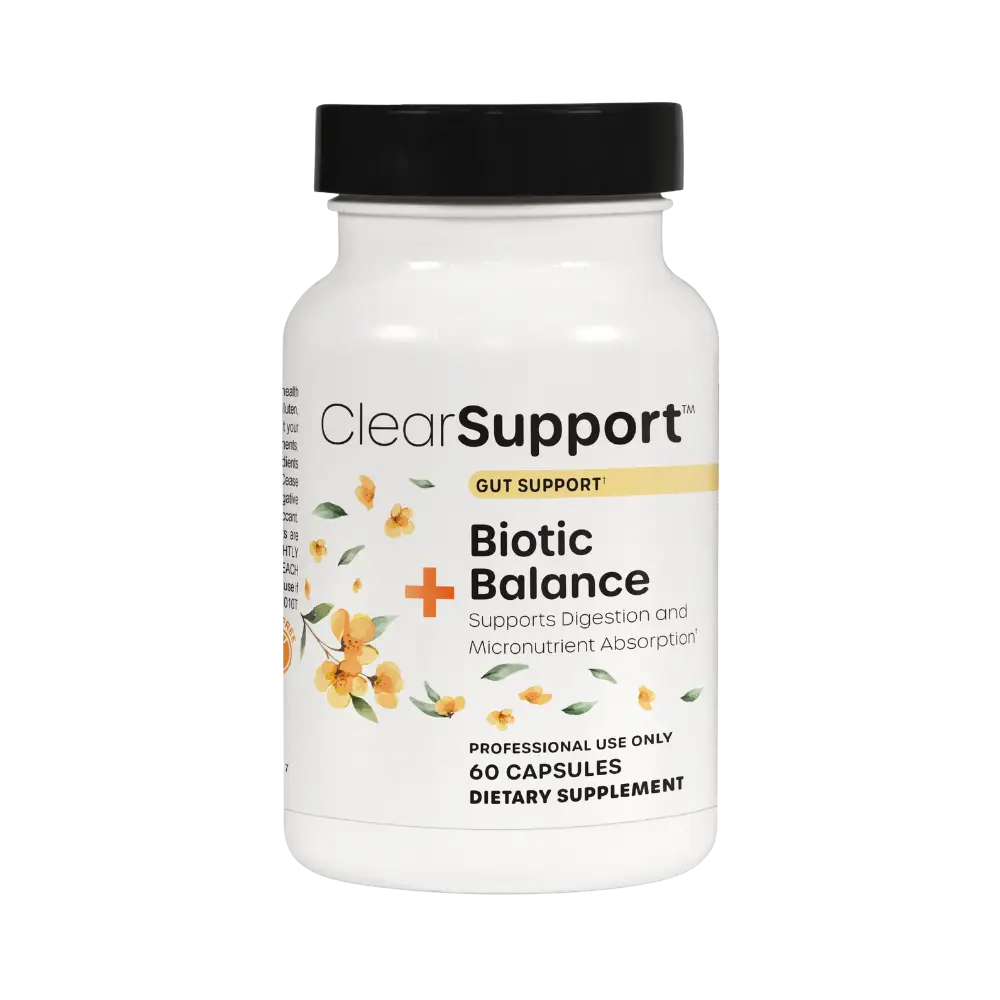
Lactobacillus acidophilus (La-14) Lactobacillus paracasei (Lpc-37) Bifidobacterium bifidum (Bb-06) Bifidobacterium lactis (BI-04) Lactobacillus plantarum (Lp-115) Lactobacillus rhamnosus (GG) Saccharomyces boulardii Supplement Facts Lactobacillus acidophilus (La-14) found in fermented foods This friendly bacterium naturally lives in your intestinal tract and mouth, and it has a special talent for fermenting carbohydrates into lactic acid. That lactic acid helps your body absorb key minerals like calcium, copper, magnesium, and manganese more efficiently. The specific strain survives stomach acid and bile salts, so it actually reaches your gut alive and ready to help. Once there, it competes for space against unwelcome bacteria, protecting your intestinal cells and creating an environment where harmful invaders struggle to settle. Lactobacillus paracasei (Lpc-37) found in fermented foods This resilient bacterium helps keep your intestinal microflora balanced, even standing up to unfriendly visitors like Staphylococcus aureus. It also produces short‑chain fatty acids that support a healthy gut barrier. Highly resistant to stomach acids and digestive enzymes, so it arrives in your gut ready to reinforce your body’s natural immune defenses. Helps protect intestinal cells and encourages a balanced immune response. A tough, tiny guardian for your digestive peace of mind. Bifidobacterium bifidum (Bb-06) found in fermented foods Produces lactic acid and acetic acid, creating an environment where harmful microbes struggle to thrive. That natural antagonistic action helps it compete against unwelcome bacteria in your gut. B. bifidum’s acid production works in the background to maintain a healthy balance of microflora, supporting your digestive ecosystem without any harsh intervention. Keeping undesirable agents in check helps preserve the harmony your gut needs for everyday wellness. Bifidobacterium lactis (BI-04) found in fermented foods This bacterium naturally calls your colon home, where it helps support gut health by gently reducing intestinal permeability. A double-masked, placebo‑controlled study found that B. lactis also encourages a balanced immune response in people sensitive to environmental allergens. Helps calm overreactions to seasonal irritants, so your immune system responds more evenly when pollen or mold is in the air. Supporting the integrity of your intestinal lining offers everyday digestive comfort alongside immune balance. A quiet colon dweller with a big impact on how you feel inside and out. Lactobacillus plantarum (Lp-115 found in fermented foods A familiar face in fermented foods like sauerkraut, pickles, brined olives, and sourdough. It produces special proteins called bacteriocins that inhibit the growth of harmful bacteria, helping them compete for space in your gut. L. plantarum gently stimulates Th1‑mediated immunity, supporting a balanced, active immune response without overreacting. Keeping unwelcome microbes in check helps maintain a peaceful, resilient digestive environment. A humble fermenter that brings both tradition and balance to your gut. Lactobacillus rhamnosus (GG) found in fermented foods This resilient bacterium has proven its ability to survive the harsh acid and bile environments of your digestive tract. It adheres firmly to intestinal cells, helping balance your microflora while blocking harmful bacteria from attaching. In high doses, L. rhamnosus has been shown to positively influence inflammatory and immune gene signaling across more than 1,700 genes. By enhancing microbial harmony and reinforcing your gut’s natural defenses, this tough little traveler supports lasting digestive and immune wellness. Saccharomyces boulardii found in fermented foods First discovered on the skins of lychee and mangosteen fruits in 1923 by a French scientist who noticed that eating mangosteen helped calm occasional diarrhea. It supports your immune defenses by raising levels of sIgA, an antibody that acts as a first line of protection in your gut. Helps bind and clear harmful bacteria before they can cause trouble, supporting digestive comfort and immune balance naturally. Because it’s a yeast, not a bacterium, it survives antibiotic treatment when other probiotics might not, making it a gentle, resilient ally for your gut. Lactobacillus acidophilus (La-14) found in fermented foods This friendly bacterium naturally lives in your intestinal tract and mouth, and it has a special talent for fermenting carbohydrates into lactic acid. That lactic acid helps your body absorb key minerals like calcium, copper, magnesium, and manganese more efficiently. The specific strain survives stomach acid and bile salts, so it actually reaches your gut alive and ready to help. Once there, it competes for space against unwelcome bacteria, protecting your intestinal cells and creating an environment where harmful invaders struggle to settle. Lactobacillus paracasei (Lpc-37) found in fermented foods This resilient bacterium helps keep your intestinal microflora balanced, even standing up to unfriendly visitors like Staphylococcus aureus. It also produces short‑chain fatty acids that support a healthy gut barrier. Highly resistant to stomach acids and digestive enzymes, so it arrives in your gut ready to reinforce your body’s natural immune defenses. Helps protect intestinal cells and encourages a balanced immune response. A tough, tiny guardian for your digestive peace of mind. Bifidobacterium bifidum (Bb-06) found in fermented foods Produces lactic acid and acetic acid, creating an environment where harmful microbes struggle to thrive. That natural antagonistic action helps it compete against unwelcome bacteria in your gut. B. bifidum’s acid production works in the background to maintain a healthy balance of microflora, supporting your digestive ecosystem without any harsh intervention. Keeping undesirable agents in check helps preserve the harmony your gut needs for everyday wellness. Bifidobacterium lactis (BI-04) found in fermented foods This bacterium naturally calls your colon home, where it helps support gut health by gently reducing intestinal permeability. A double-masked, placebo‑controlled study found that B. lactis also encourages a balanced immune response in people sensitive to environmental allergens. Helps calm overreactions to seasonal irritants, so your immune system responds more evenly when pollen or mold is in the air. Supporting the integrity of your intestinal lining offers everyday digestive comfort alongside immune balance. A quiet colon dweller with a big impact on how you feel inside and out. Lactobacillus plantarum (Lp-115 found in fermented foods A familiar face in fermented foods like sauerkraut, pickles, brined olives, and sourdough. It produces special proteins called bacteriocins that inhibit the growth of harmful bacteria, helping them compete for space in your gut. L. plantarum gently stimulates Th1‑mediated immunity, supporting a balanced, active immune response without overreacting. Keeping unwelcome microbes in check helps maintain a peaceful, resilient digestive environment. A humble fermenter that brings both tradition and balance to your gut. Lactobacillus rhamnosus (GG) found in fermented foods This resilient bacterium has proven its ability to survive the harsh acid and bile environments of your digestive tract. It adheres firmly to intestinal cells, helping balance your microflora while blocking harmful bacteria from attaching. In high doses, L. rhamnosus has been shown to positively influence inflammatory and immune gene signaling across more than 1,700 genes. By enhancing microbial harmony and reinforcing your gut’s natural defenses, this tough little traveler supports lasting digestive and immune wellness. Saccharomyces boulardii found in fermented foods First discovered on the skins of lychee and mangosteen fruits in 1923 by a French scientist who noticed that eating mangosteen helped calm occasional diarrhea. It supports your immune defenses by raising levels of sIgA, an antibody that acts as a first line of protection in your gut. Helps bind and clear harmful bacteria before they can cause trouble, supporting digestive comfort and immune balance naturally. Because it’s a yeast, not a bacterium, it survives antibiotic treatment when other probiotics might not, making it a gentle, resilient ally for your gut.
Have a question about this?
We currently ship within the US, with more countries coming soon.
Final cost and dates are confirmed at checkout.
🇺🇸 Ship from USA · On Agora since 2026
$69.10